
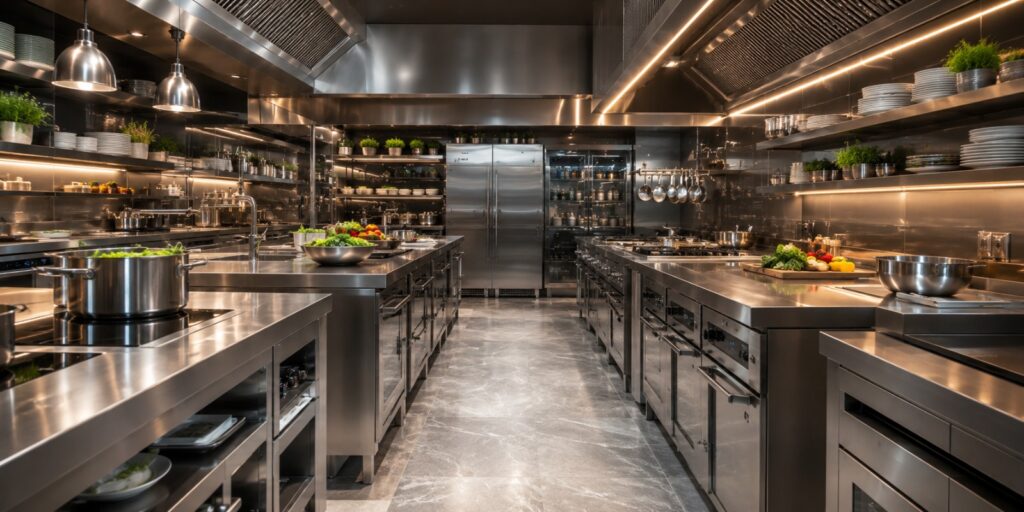
For any restaurant, busy service hours are a positive sign. A steady flow of customers means the business is attracting attention and generating revenue. However, peak service periods can quickly become stressful when the kitchen is not prepared to handle a large volume of orders. Delayed service, food quality issues, communication gaps, and operational bottlenecks can negatively impact both customers and staff.
Many restaurant owners assume that kitchen problems during rush hours are unavoidable. In reality, most issues are caused by poor planning, inefficient processes, or outdated infrastructure. A well-organized kitchen can handle high order volumes without compromising speed or quality. Understanding the common causes of kitchen failures is the first step toward creating a more productive and reliable operation.
Poor Kitchen Layout Slows Down Operations
The layout of a kitchen directly affects how quickly and efficiently staff can work. When preparation areas, cooking stations, and storage sections are not arranged properly, employees spend more time moving around than preparing food.
A structured Kitchen Workflow Management system ensures that every station is positioned strategically to support smooth movement and faster task completion.
Common layout-related issues include:
- Congested workstations
- Limited preparation space
- Poor placement of storage areas
- Unnecessary staff movement
- Delays in ingredient access
Benefits of an optimized layout:
- Faster food preparation
- Improved staff coordination
- Reduced waiting time
- Better productivity during busy hours
- Lower risk of workplace accidents
Equipment Limitations Create Service Delays
As restaurants grow, customer demand increases. However, many businesses continue using equipment that was originally purchased for lower workloads. During rush periods, this often leads to slower cooking times and operational disruptions.
Investing in reliable Commercial Kitchen Equipment helps restaurants maintain consistency even when order volumes increase significantly.
Signs that equipment may be affecting performance:
- Frequent breakdowns
- Slow cooking processes
- Inconsistent food quality
- Increased maintenance costs
- Overheating during heavy use
Modern equipment offers advantages such as:
- Higher production capacity
- Improved energy efficiency
- Faster cooking performance
- Enhanced safety features
- Reduced downtime
Lack of Communication Among Staff
A restaurant kitchen functions best when every team member understands their role. During busy service periods, communication becomes even more important. Without proper coordination, orders can be delayed, duplicated, or prepared incorrectly.
Improving Restaurant Kitchen Efficiency starts with building a team that communicates clearly and works together effectively.
Common communication challenges include:
- Unclear responsibilities
- Missed order updates
- Delayed information sharing
- Confusion during shift changes
- Inconsistent workflow between stations
Ways to improve coordination:
- Conduct regular staff training
- Assign clear responsibilities
- Hold pre-shift briefings
- Establish communication protocols
- Encourage teamwork across departments
Poor Ventilation Impacts Productivity
Kitchen environments naturally generate heat, smoke, steam, and cooking fumes. During busy service hours, these conditions become more intense. Excessive heat can make employees uncomfortable and reduce their ability to perform efficiently.
Installing a quality Kitchen Exhaust System helps maintain proper airflow and creates a safer working environment.
Advantages of proper ventilation include:
- Better air quality
- Reduced kitchen temperature
- Improved employee comfort
- Enhanced workplace safety
- Lower accumulation of smoke and grease
A comfortable work environment allows staff to remain focused and productive throughout long operating hours.
Inadequate Planning for Busy Service Times
Many restaurants experience predictable periods of high customer demand. Lunch services, dinner hours, weekends, and holidays often bring significant increases in order volume. Without proper preparation, kitchens can quickly become overwhelmed.
Preparing in advance for Restaurant Peak Hours allows businesses to manage customer demand more effectively.
Important planning strategies include:
- Forecasting customer traffic
- Scheduling additional staff
- Preparing ingredients beforehand
- Monitoring inventory levels
- Creating backup operational plans
Restaurants that plan ahead are more likely to maintain service quality during high-demand periods.
Inventory Management Problems
A shortage of essential ingredients during service can disrupt the entire kitchen operation. Staff may need to make last-minute substitutions or remove menu items, creating frustration for both employees and customers.
Effective inventory management helps restaurants:
- Maintain ingredient availability
- Reduce food waste
- Improve purchasing decisions
- Prevent unexpected shortages
- Support smoother daily operations
Regular inventory checks can significantly reduce operational interruptions.
Lack of Standard Operating Procedures
When employees follow different methods for the same tasks, consistency becomes difficult to maintain. Standard operating procedures provide clear guidelines that help staff perform efficiently regardless of workload.
Benefits include:
- Consistent food quality
- Faster training for new employees
- Reduced mistakes
- Improved accountability
- Better customer experience
Documented procedures create structure and improve operational control.
Importance of Regular Maintenance
Equipment failures often occur at the worst possible time—during busy service hours. Preventive maintenance helps identify issues before they become serious problems.
Maintenance practices should include:
- Routine inspections
- Cleaning schedules
- Replacement of worn components
- Performance testing
- Professional servicing when required
Regular maintenance reduces unexpected downtime and extends equipment lifespan.
How a Well-Prepared Kitchen Improves Business Performance
Restaurants that invest in operational efficiency often experience long-term benefits beyond smoother service.
Key advantages include:
- Faster order turnaround
- Higher customer satisfaction
- Increased staff productivity
- Better food consistency
- Reduced operational costs
- Stronger business reputation
- Improved customer retention
When kitchens operate efficiently, both customers and employees enjoy a better overall experience.
Conclusion
Kitchen failures during busy hours are often the result of preventable operational issues rather than customer demand itself. Poor layouts, outdated equipment, communication gaps, ventilation problems, and inadequate planning can all contribute to service disruptions.
By focusing on efficient workflows, investing in the right resources, training employees, and maintaining equipment properly, restaurants can create a kitchen environment capable of handling even the busiest service periods. A proactive approach not only improves daily operations but also supports long-term growth, customer satisfaction, and business success.