Stainless Steel vs Mild Steel Kitchen Equipment: Which Is Best for Commercial Use?
When you’re setting up a kitchen, this is not just a material choice.
It’s a decision that affects hygiene, durability, maintenance, and even your business reputation.
Let’s understand it the real way — not just theory, but what actually happens inside a working kitchen.
The Basic Difference (Simple Understanding)
- Stainless Steel → Contains chromium, which forms a protective layer and prevents rust
- Mild Steel → Basic iron + carbon, strong but easily rusts without coating
At first glance, both may look similar.
But inside a commercial kitchen environment — they behave very differently.
What Happens in a Real Kitchen Environment
A commercial kitchen is not a normal space.
Every day, equipment faces:
- Water and moisture
- Heat and flames
- Oil and grease
- Acidic ingredients
This is where stainless steel stands strong.
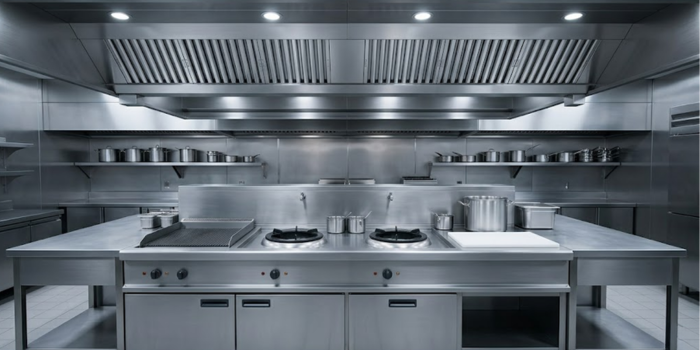
A stainless steel kitchen equipment setup naturally resists rust, corrosion, and chemical reactions — making it ideal for such conditions
Mild steel, however, starts reacting almost immediately if not protected.
Even a small scratch in coating can lead to rust spreading.
Hygiene: The Most Important Factor
In a food business, hygiene is not optional — it’s everything.
Stainless steel has:
- Smooth, non-porous surface
- No space for bacteria to settle
- Easy cleaning and sanitizing
That’s why it’s widely used in professional kitchens worldwide
A Chefstyle hygienic kitchen equipment solution ensures food safety and compliance.
Mild steel?
Once rust or surface damage begins, it creates tiny pits where dirt and bacteria can grow — which is risky in any food setup
Durability & Lifespan
Here’s where many people get surprised.
Mild steel feels strong initially.
But over time:
- Rust weakens structure
- Maintenance increases
- Replacement becomes frequent
Stainless steel, on the other hand:
- Handles heavy usage
- Resists wear and tear
- Lasts 15+ years easily
That’s why professionals always invest in long-lasting kitchen equipment setup.
Because durability in a kitchen is not a luxury — it’s a necessity.
Maintenance: Daily Reality
Think about your daily operations.
Do you want to:
- Constantly repaint equipment?
- Worry about rust spots?
- Spend extra time cleaning damaged surfaces?
Mild steel demands all of this.
Stainless steel doesn’t.
A simple wipe is often enough to maintain it.
That’s why a Chefstyle low-maintenance kitchen system saves both time and labour.
Cost: The Biggest Misunderstanding
This is where most people make the wrong decision.
 Mild steel = cheaper initially
Stainless steel = higher upfront cost
So people choose mild steel thinking they are saving money.
But in reality:
- Repairs increase
- Maintenance costs add up
- Replacement happens sooner
Over time, mild steel becomes more expensive.
Stainless steel, though costly at first, becomes the smarter long-term investment.
Where Mild Steel Still Makes Sense
To be practical — mild steel is not completely useless.
It can be used for:
- Equipment frames
- Storage racks (dry areas)
- Structural supports
But never for:
- Food preparation surfaces
- Wet areas
- Cooking zones
That’s why a balanced Chefstyle commercial kitchen material planninguses mild steel only where appropriate.
The Real Industry Standard
Across restaurants, hotels, bakeries, and cloud kitchens — one thing is common:
Stainless steel dominates
Because it:
- Meets hygiene standards
- Resists corrosion
- Handles heavy usage
- Looks professional
This is not a trend — it’s a proven system.
Final Verdict
If you’re serious about running a commercial kitchen:
- Use stainless steel for all major equipment
- Use mild steel only for support or budget areas
Because in this industry:
cleanliness, durability, and safety are non-negotiable
Final Thought
Many beginners think kitchen success depends only on recipes.
But real professionals know —
your setup decides your consistency.
Choosing the right material is not just a technical decision…
it’s a business decision.
And the smarter choice always leads to one direction —
Chefstyle Kitchen Equipment.