
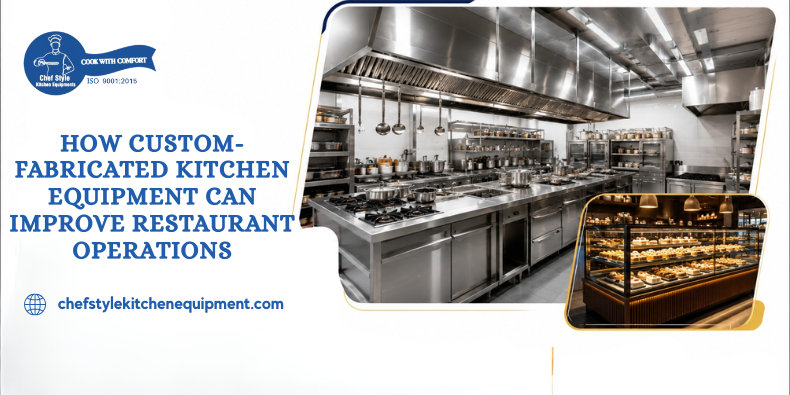
Planning a commercial kitchen becomes more challenging when a restaurant serves different types of cuisines. Indian, Chinese, Continental, bakery, grilled, and fried foods may all require different cooking methods and preparation processes. A good kitchen design should make it easy for chefs to prepare different dishes while keeping the workspace clean, safe, and organized.
A carefully planned Multi Cuisine Kitchen Design can improve the daily workflow and help kitchen staff work more comfortably. Instead of placing equipment randomly, every cooking and preparation area should have a clear purpose.
Start With Your Food Menu
The menu should be the first thing to consider when planning the kitchen. Different dishes require different cooking temperatures, preparation methods, and equipment.
For example, Indian food may require cooking ranges, tandoors, dosa plates, and steam cooking systems. Chinese dishes may require wok burners, while grilled dishes may need grills or charbroilers. Bakery products may require ovens, mixers, and dedicated preparation areas.
Understanding the menu before purchasing equipment helps avoid unnecessary spending and ensures that the kitchen has everything required for daily production.
Divide the Kitchen Into Different Sections
A multi-cuisine restaurant can become difficult to manage when all cooking activities happen in the same area. Dividing the kitchen into separate sections can make the workflow much easier.
The kitchen can have dedicated areas for preparation, cooking, grilling, frying, baking, washing, storage, and plating. This arrangement allows different chefs to work at the same time without creating too much congestion.
A good layout also makes it easier for staff to move ingredients from storage to preparation and then to cooking.
Choose Equipment Based on Cooking Methods
Each cuisine has its own cooking style. Therefore, equipment should be selected based on the actual cooking methods used in the restaurant.
A restaurant that serves Indian and Chinese food may need both heavy-duty cooking ranges and high-temperature wok stations. If the menu includes grilled dishes, a suitable grill should also be included.
Choosing the right Restaurant Cooking Equipment can help chefs prepare food faster and maintain consistent results during busy service hours.
Make Better Use of Kitchen Space
Kitchen space is often limited, especially in restaurants located in busy commercial areas. Every part of the available space should therefore be used carefully.
Large equipment should be positioned where it can be accessed easily without blocking staff movement. Smaller appliances and preparation tools can be placed near the stations where they are frequently used.
Storage shelves, wall-mounted systems, and stainless steel work tables can also help use vertical and unused spaces effectively.
Plan the Preparation Area
Food preparation can take a considerable amount of time in a multi-cuisine kitchen. Vegetables may need to be cut, meat may need to be cleaned and portioned, sauces may need to be prepared, and dough may need to be mixed.
A dedicated preparation area gives staff enough space to complete these tasks before cooking begins.
The preparation section should have suitable work tables, sinks, storage space, and food preparation machines according to the restaurant’s menu.
Select Suitable Refrigeration
Different cuisines may require different types of ingredients. Meat, seafood, vegetables, dairy products, sauces, and prepared ingredients all need proper storage.
Commercial refrigerators and deep freezers can help maintain ingredient quality and make kitchen inventory easier to manage.
The refrigeration area should be located in a convenient position so staff can quickly collect ingredients without disturbing the cooking stations.
Think About Ventilation
Cooking different cuisines can produce heat, smoke, steam, and grease. Frying and grilling can create especially high levels of heat and fumes.
A proper exhaust and ventilation system is therefore an important part of Commercial Kitchen Installation.
The exhaust system should be planned according to the type and capacity of cooking equipment. Good ventilation keeps the kitchen more comfortable and helps reduce grease accumulation.
Focus on Hygiene
A multi-cuisine kitchen handles many different ingredients every day. Good hygiene practices should therefore be included in the kitchen design.
Raw ingredients and cooked food should have separate preparation and handling areas wherever possible. Work surfaces should be easy to clean, and washing areas should be properly planned.
Stainless steel surfaces are commonly preferred because they are durable, hygienic, and easy to maintain.
Choose Durable Equipment
Commercial kitchen equipment is used for long hours, especially during busy lunch and dinner periods. Equipment should be strong enough to handle regular and heavy use.
Low-quality equipment may require frequent repairs and can affect kitchen operations when it breaks down.
Investing in durable Industrial Food Equipment can provide better long-term value and help the kitchen operate consistently.
Consider Staff Movement
A kitchen should be designed around the people who use it every day. Chefs and kitchen staff should be able to move between preparation, cooking, plating, and storage areas without unnecessary walking.
Frequently used equipment should be placed close to the relevant workstations. This simple planning can save time and reduce staff fatigue during busy hours.
Think About Future Expansion
A restaurant may add new dishes or cuisines as the business grows. Delivery services and catering operations may also be added later.
For this reason, it is useful to leave some space for additional equipment. A flexible kitchen layout makes future changes easier and reduces the need for major modifications.
Professional planning can also help businesses select equipment that can support increased production in the future.
Why Professional Kitchen Planning Matters
Every restaurant has different requirements. A small multi-cuisine restaurant does not need the same setup as a large hotel or food production facility.
A professional approach considers the menu, available space, cooking methods, production volume, staff movement, storage, ventilation, and future requirements together.
Using reliable Professional Kitchen Solutions can help create a kitchen that is practical, efficient, and suitable for long-term business operations.
Conclusion
Planning a commercial kitchen for different cuisines requires careful attention to the menu, equipment, layout, storage, ventilation, and workflow. A well-designed kitchen allows chefs to prepare different types of food efficiently without making the workspace crowded or difficult to manage.
From cooking ranges and wok stations to refrigeration, preparation tables, grills, exhaust systems, and storage solutions, every part of the kitchen should have a clear purpose.
A properly planned Multi Cuisine Kitchen Design combined with reliable Restaurant Cooking Equipment and quality Industrial Food Equipment can improve kitchen productivity and support consistent food preparation. With the right Professional Kitchen Solutions and proper Commercial Kitchen Installation, a restaurant can create a comfortable and efficient workspace that supports both daily operations and future growth