
Energy-Efficient Commercial Kitchen Equipment: How Restaurants Can Reduce Costs
Running a restaurant today is not just about serving good food.
It’s about building a sustainable, cost-efficient, and well-optimized business.
In today’s competitive food industry, profit margins are getting tighter. Ingredient prices fluctuate, staff costs are rising, and utility bills are becoming a major burden. Among all these, one of the most ignored but biggest expenses is energy consumption inside the kitchen.
Many restaurant owners focus only on food quality and customer service. But behind the scenes, inefficient systems silently increase daily operating costs without being noticed.
This is where energy-efficient kitchen equipment becomes a game changer.
The Real Problem Inside Commercial Kitchens
A commercial kitchen is one of the most energy-intensive spaces in any business. It runs almost continuously during working hours, and sometimes even beyond that.
Every single day, multiple heavy-duty systems operate together:
• Cooking ranges and burners
• Refrigeration units and cold storage
• Dishwashing systems
• Heating equipment
• Freezers and chillers
• Ventilation and exhaust systems
All of these consume a huge amount of electricity and gas, making kitchens one of the highest utility-cost zones in a restaurant.
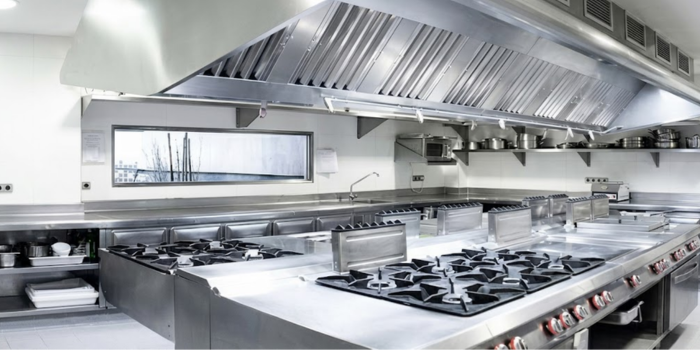
One of the most critical systems here is the Kitchen Exhaust System. It plays a major role in removing heat, smoke, grease particles, and hot air from the kitchen environment. Without a proper exhaust system, the kitchen becomes hotter, equipment works harder, and energy consumption increases drastically.
When outdated or low-quality equipment is used, the problems multiply:
• Energy wastage increases significantly
• Equipment generates excess heat
• Cooling systems are forced to work harder
• Maintenance and repair costs rise frequently
• Monthly electricity bills become unpredictable and high
Over time, these hidden inefficiencies can seriously affect restaurant profitability.
This is exactly where energy-efficient kitchen equipment brings a major transformation.
How Energy-Efficient Equipment Transforms Operations
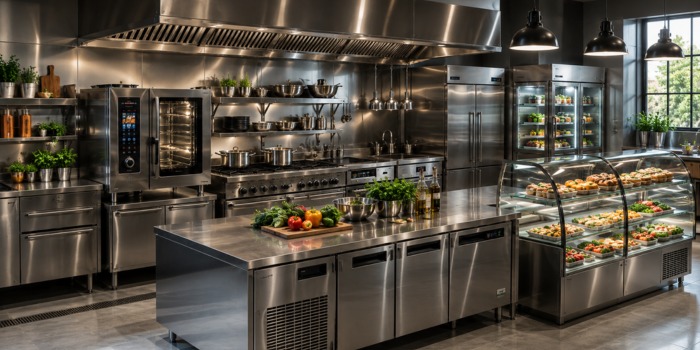
Modern Commercial Kitchen Equipment is designed not only for performance but also for energy optimization.
Unlike traditional systems, energy-efficient models are built to:
• Consume less power during operation
• Maintain consistent cooking performance
• Reduce heat loss and energy waste
• Improve cooking speed and efficiency
• Lower long-term maintenance requirements
Even small improvements in efficiency can create a big difference when multiplied across daily operations.
For example:
A slightly more efficient refrigerator or cooking range may not look like a big upgrade initially, but over months of continuous usage, it can save a significant amount in electricity costs.
This is why modern restaurant planning now focuses heavily on energy-efficient kitchen equipment as a long-term investment rather than a short-term expense.
Where Smart Kitchen Design Makes the Difference
Today’s successful restaurants don’t just rely on good equipment—they rely on smart kitchen design.
The layout of the kitchen directly impacts how efficiently staff work and how much energy is used during operations.
Modern commercial setups now include smart service and display solutions like bend glass counter systems, which improve front-end presentation, hygiene visibility, and customer experience while maintaining operational efficiency.
When kitchen workflow is properly designed:
• Movement inside the kitchen becomes smoother
• Equipment usage becomes more organized
• Heat zones are controlled better
• Staff productivity increases
• Unnecessary energy usage is reduced
A well-designed kitchen ensures that every piece of Commercial Kitchen Equipment works at its maximum efficiency without wasting resources.
Energy Efficiency = Long-Term Profit
Energy efficiency is not just a technical improvement—it is a direct financial advantage.
Investing in energy-efficient kitchen equipment impacts multiple areas of a restaurant business:
1. Reduced Monthly Operating Cost
Lower electricity and gas usage directly reduces monthly bills.
2. Longer Equipment Lifespan
Efficient systems experience less stress, leading to fewer breakdowns.
3. Improved Staff Productivity
A cooler, well-organized kitchen allows staff to work faster and more comfortably.
4. Better Kitchen Environment
Reduced heat and smoke improve overall working conditions.
5. Higher Profit Margins
Lower expenses mean higher net profit without increasing sales.
When combined with a well-planned Kitchen Exhaust System and optimized kitchen layout, restaurants can achieve maximum operational efficiency with minimal waste.
Final Thought
Many restaurant owners believe that success depends only on attracting more customers and increasing sales.
But experienced operators understand a deeper truth:
A profitable restaurant is not just built in the dining area—it is built in the kitchen.
A well-planned kitchen that uses modern Commercial Kitchen Equipment, efficient Kitchen Exhaust System design, and smart energy-saving systems reduces cost silently every single day.
In the long run, efficiency is not just an advantage—it is the foundation of a successful restaurant business.

Related Posts
How Smart Kitchens Are Changing Restaurants in 2026
Best Commercial Kitchen Equipment for Small Cafés & Bakeries
Stainless Steel vs Mild Steel Kitchen Equipment: Which Is Best for Commercial Use?