
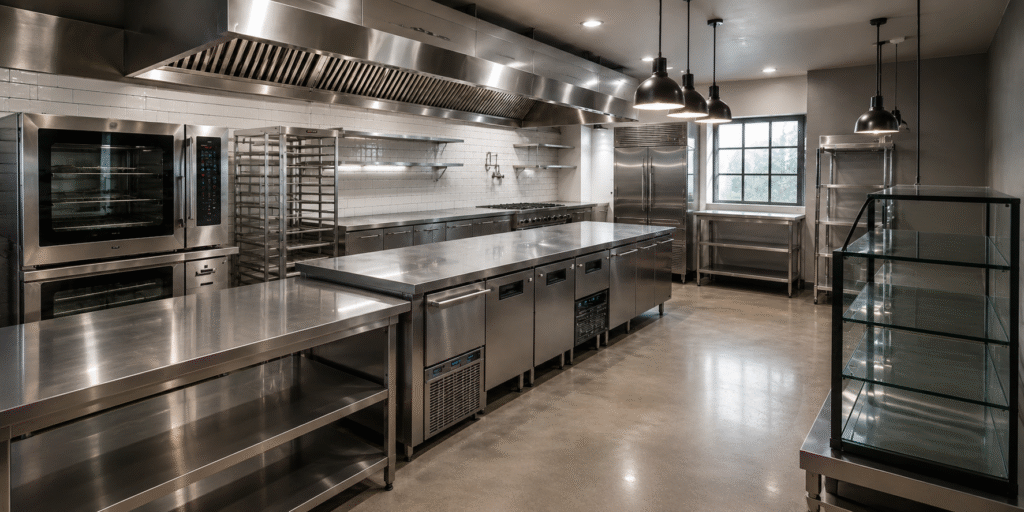
Setting up a commercial kitchen is a major step for any restaurant, hotel, cloud kitchen, bakery, or catering business. The decisions made during the initial setup stage can have a long-term impact on productivity, operating costs, and overall business growth. While many business owners focus on equipment selection and budget allocation, they often overlook the importance of proper Commercial Kitchen Planning.
Without a clear strategy, businesses may face workflow challenges, unnecessary expenses, and costly modifications in the future. Understanding common mistakes can help avoid financial losses and create a more efficient working environment.
Choosing Layout Over Functionality
A kitchen should be designed based on operational needs rather than appearance alone. Many businesses focus heavily on aesthetics while neglecting functionality.
One of the most common Kitchen Design Errors is creating workspaces that look attractive but fail to support efficient daily operations.
Problems that often arise include:
- Congested work areas
- Poor staff movement
- Limited preparation space
- Delayed service during busy hours
- Reduced employee productivity
A practical layout should always support smooth workflow and efficient task completion.
Ignoring Workflow Requirements
Every kitchen follows a sequence of activities, from receiving ingredients to preparing, cooking, and serving food. If these processes are not considered during setup, operations can become slow and inefficient.
An effective Food Service Facility Setup should allow materials, equipment, and employees to move through the workspace without unnecessary interruptions.
Benefits of proper workflow planning include:
- Faster order completion
- Better coordination among staff
- Reduced operational delays
- Improved productivity
- Enhanced customer service
Workflow efficiency plays a significant role in daily kitchen performance.
Prioritizing Cost Over Quality
Budget limitations are understandable, but selecting low-quality equipment simply because it is cheaper can create long-term problems.
A smart Commercial Kitchen Investment focuses on durability, reliability, and long-term value rather than initial purchase price alone.
Potential consequences of poor purchasing decisions include:
- Frequent breakdowns
- Higher maintenance expenses
- Increased downtime
- Reduced equipment lifespan
- Lower operational reliability
Investing wisely often results in better performance and lower costs over time.
Failing to Plan for Efficiency
Many businesses underestimate how much efficiency affects profitability. Small operational delays can accumulate throughout the day and significantly impact productivity.
Implementing Operational Efficiency Solutions can help businesses optimize workflows and improve overall performance.
Examples include:
- Organizing workstations effectively
- Reducing unnecessary movement
- Creating dedicated preparation areas
- Improving communication between staff
- Streamlining daily processes
Efficiency improvements often lead to measurable gains in productivity and customer satisfaction.
Underestimating Storage Requirements
Storage space is often overlooked during the planning process. Insufficient storage can lead to cluttered workstations, inventory management challenges, and wasted time.
Proper storage planning helps businesses:
- Maintain organization
- Improve inventory control
- Reduce food waste
- Support faster preparation
- Create a cleaner workspace
Adequate storage contributes to smoother operations and better resource management.
Overlooking Ventilation Needs
Ventilation is an essential component of any commercial kitchen. Poor airflow can affect employee comfort, equipment performance, and overall workplace safety.
Common issues caused by inadequate ventilation include:
- Excessive heat
- Poor air quality
- Increased cleaning requirements
- Reduced staff productivity
- Uncomfortable working conditions
Proper ventilation supports a healthier and more efficient work environment.
Not Planning for Future Growth
Many businesses design kitchens based solely on current demand. As customer volume increases, the existing setup may no longer be able to support operations effectively.
Planning for future expansion helps accommodate:
- Additional equipment
- Increased production capacity
- Larger staff teams
- Expanded menu offerings
- Growing customer demand
Considering future needs during the initial setup stage can prevent expensive renovations later.
Lack of Preventive Maintenance Planning
Equipment maintenance should be part of the planning process from the beginning. Failure to establish maintenance procedures can result in unexpected breakdowns and operational disruptions.
Important maintenance practices include:
- Regular inspections
- Scheduled servicing
- Equipment cleaning
- Performance monitoring
- Timely repairs
Preventive maintenance helps extend equipment life and improve reliability.
Conclusion
Many costly kitchen problems begin during the planning stage. Poor layouts, inefficient workflows, inadequate storage, and short-term decision-making can lead to higher operating expenses and reduced productivity. Businesses that focus on functionality, efficiency, quality equipment, and future growth are better positioned for long-term success. A well-planned kitchen not only supports smooth operations but also helps create a stronger foundation for sustainable business growth.