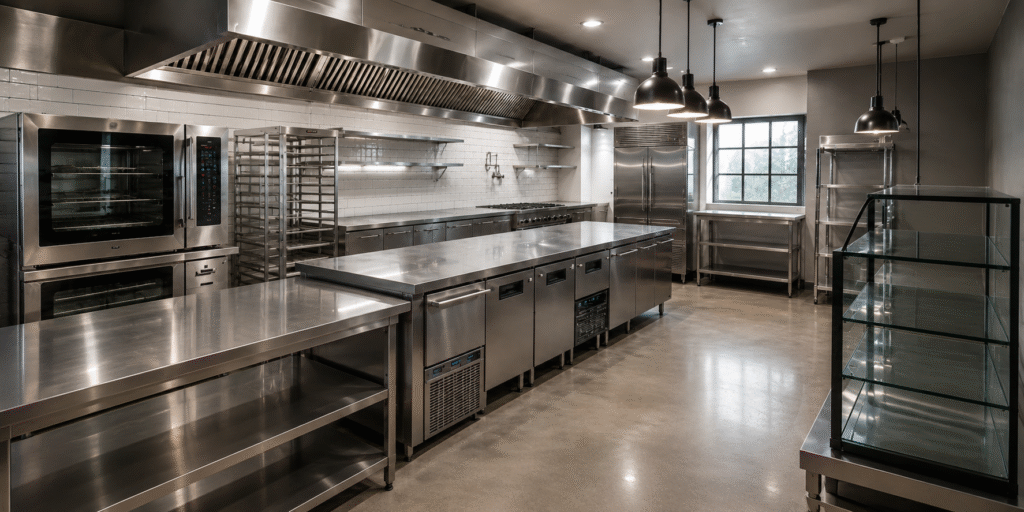
Commercial kitchens depend heavily on equipment to maintain smooth daily operations. From food preparation to cooking and storage, every piece of equipment plays a vital role in delivering quality service. However, as equipment ages, its performance gradually declines, leading to reduced productivity, higher operating costs, and potential service disruptions.
Many restaurant and hotel owners continue using outdated systems until major breakdowns occur. Unfortunately, waiting too long can affect food quality, customer satisfaction, and overall business performance. Recognizing the warning signs early can help businesses make informed decisions and avoid costly operational issues.
In this article, we’ll explore five clear signs that indicate it may be time to invest in new kitchen equipment.
1. Frequent Breakdowns Are Affecting Operations
One of the most obvious signs is repeated equipment failure. If your staff constantly reports issues with ovens, refrigerators, fryers, or preparation machines, it may be time to consider replacement rather than ongoing repairs.
Common warning signs include:
- Unexpected shutdowns
- Reduced operating performance
- Delayed food preparation
- Increased service interruptions
- Difficulty meeting customer demand
While occasional repairs are normal, continuous breakdowns can increase downtime and negatively impact productivity.
Why It Matters
Frequent equipment failures often lead to:
- Higher repair expenses
- Lost revenue opportunities
- Increased staff frustration
- Delayed customer service
A strategic Kitchen Equipment Upgrade can improve reliability and help businesses operate more efficiently.
2. Energy Bills Continue to Increase
Older equipment is generally less energy efficient than newer models. As systems age, they require more electricity or fuel to achieve the same results.
Indicators of poor energy efficiency include:
- Rising utility costs
- Longer operating cycles
- Excessive heat generation
- Reduced performance consistency
Modern equipment is designed with advanced energy-saving features that help reduce operating expenses over time.
Long-Term Benefits
Investing in Modern Kitchen Technology can provide:
- Lower energy consumption
- Improved operational efficiency
- Reduced environmental impact
- Better cost control
Energy-efficient equipment often pays for itself through long-term savings.
3. Food Quality Has Become Inconsistent
Consistency is essential in the food service industry. Customers expect the same quality every time they visit. When equipment begins to perform inconsistently, food quality can suffer.
Common issues include:
- Uneven cooking temperatures
- Longer cooking times
- Inconsistent food texture
- Improper food storage conditions
- Variations in product quality
ReliableCommercial Cooking Solutions help maintain consistency and support better customer experiences.
Impact on Business
Inconsistent food quality can result in:
- Negative customer reviews
- Reduced customer loyalty
- Increased food waste
- Lower brand reputation
Upgrading equipment helps restaurants maintain high standards and improve customer satisfaction.
4. Maintenance Costs Are Becoming Too Expensive
Routine servicing is part of operating any commercial kitchen. However, there comes a point where maintenance expenses outweigh the value of keeping old equipment.
Warning signs include:
- Frequent technician visits
- Expensive replacement parts
- Longer repair times
- Increased operational disruptions
- Difficulty sourcing components
Effective Restaurant Equipment Maintenance is important, but continuously repairing aging equipment may not be the most cost-effective solution.
When Replacement Makes Sense
If repair costs continue increasing year after year, investing in newer equipment may offer better value and improved performance.
5. Your Business Has Outgrown Existing Equipment
As restaurants expand, customer demand often increases. Equipment that once met operational needs may no longer be capable of supporting higher production volumes.
Signs of capacity limitations include:
- Longer preparation times
- Increased customer wait times
- Staff struggling during busy periods
- Limited production capability
- Reduced operational flexibility
Upgrading to larger or more advanced Food Service Equipment helps businesses accommodate growth without compromising service quality.
Supporting Future Expansion
Modern systems can provide:
- Higher production capacity
- Improved workflow efficiency
- Better scalability
- Faster service delivery
- Enhanced operational performance
Investing in the right equipment today can support long-term business growth.
Additional Benefits of Upgrading Kitchen Equipment
Beyond solving operational challenges, equipment upgrades offer several other advantages:
- Improved workplace safety
- Better hygiene standards
- Reduced downtime
- Enhanced employee productivity
- Faster food preparation
- Increased customer satisfaction
- Lower operating costs
Businesses that invest proactively often experience smoother operations and stronger long-term performance.
Conclusion
Commercial kitchen equipment is a critical investment that directly impacts efficiency, food quality, and customer satisfaction. Frequent breakdowns, rising utility bills, inconsistent performance, increasing repair costs, and growing production demands are all signs that your current equipment may no longer meet your business needs. By recognizing these warning signs early and investing in modern solutions, restaurant and hotel owners can improve productivity, reduce operating costs, and create a stronger foundation for future growth. Upgrading at the right time helps businesses stay competitive while delivering a better experience for both staff and customers